Legacy test. The ACFT was replaced by the Army Fitness Test (AFT) on June 1, 2025. This page still scores the old six-event test with the 2022 tables for reference.
Use the AFT calculatorACFT Calculator (Legacy)
Score the six-event Army Combat Fitness Test with the 2022 tables: deadlift, standing power throw, hand-release push-up, sprint-drag-carry, plank and two-mile run, graded against the Heavy, Significant and Moderate MOS categories. The ACFT was replaced by the Army Fitness Test on June 1, 2025.
ACFT CALCULATOR


Total Score:
0
Results:
Does Not Meet Army Minimum Standard
Master Each Challenge: Understanding the ACFT Events and Scoring System
Unlock your potential with our guide to the ACFT scoring system. Tailored to your Military Occupational Specialty (MOS), the test categorizes soldiers into three physical demand categories: Heavy (Black), Significant (Gray), and Moderate (Gold). Stay informed and strive for excellence with our latest update as of April 2023.
Heavy (Black) Standard
-
 Minimum Score: 440 points
- Per Event: At least 70 points
Significant (Gray) Standard
- Minimum Score: 440 points
- Per Event: At least 65 points
Moderate (Gold) Standard
- Minimum Score: 360 points
- Per Event: At least 60 points
The total maximum points possible for the ACFT is 600, with each of the six events worth up to 100 points. Soldiers must meet or exceed the minimum score for their MOS category to pass the ACFT.

Repetition Maximum Deadlift (MDL)
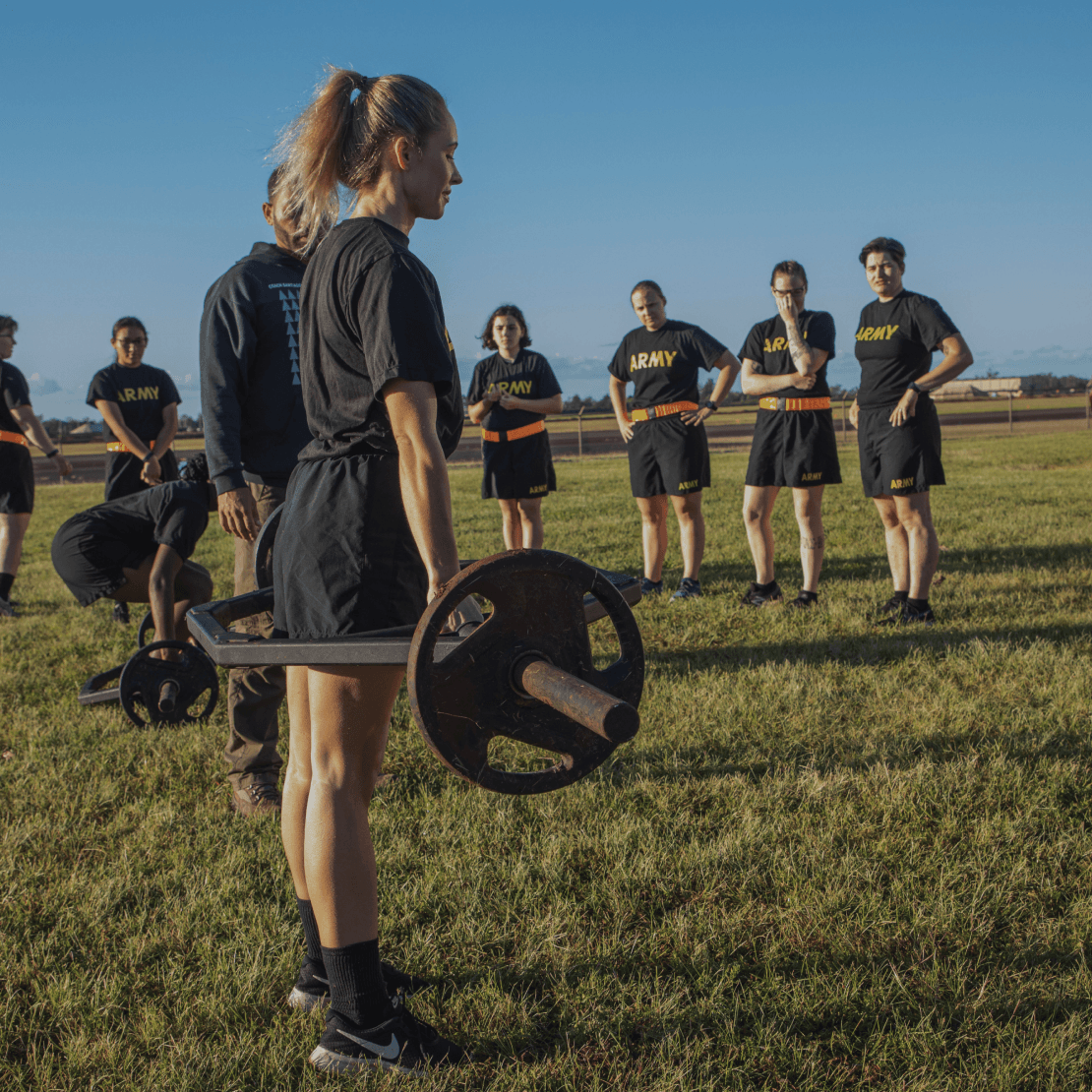
Description: The Maximum Deadlift is a critical assessment of your overall muscular strength, focusing on the lower body, grip, and core. This event is pivotal in preparing soldiers to handle physically demanding tasks while minimizing the risk of injuries to the hip, knee, and lower back.
Action: Soldiers are required to execute three maximum weight deadlifts, emphasizing correct form to maximize strength and safety.
Equipment: A standard 60-pound weightlifting hex bar and plates are used.

Standing Power Throw (SPT)
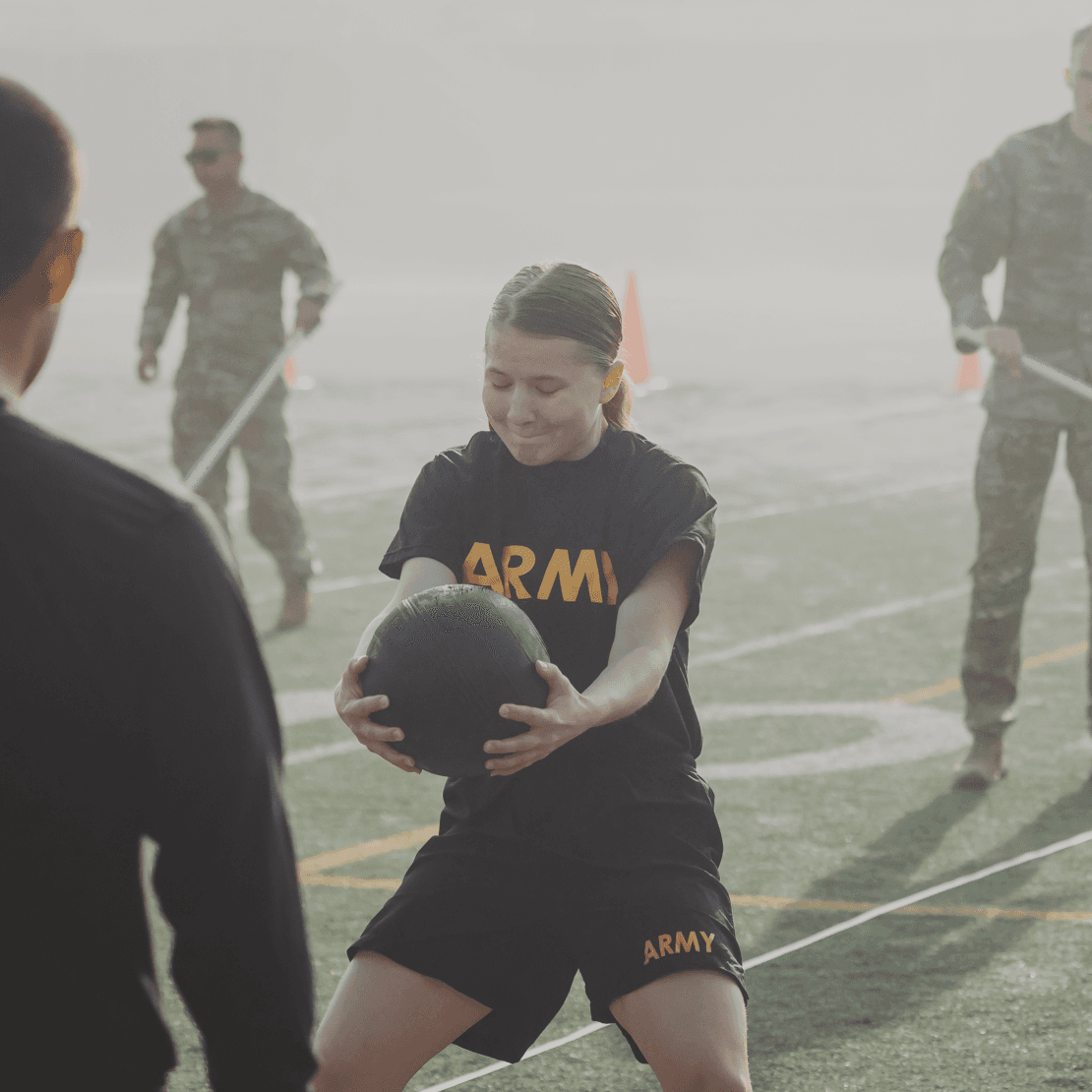
Description: The Standing Power Throw evaluates explosive power and the ability to generate quick movements. This event is a testament to a soldier's dynamic strength and involves coordination, balance, and flexibility, primarily focusing on the upper and lower body.
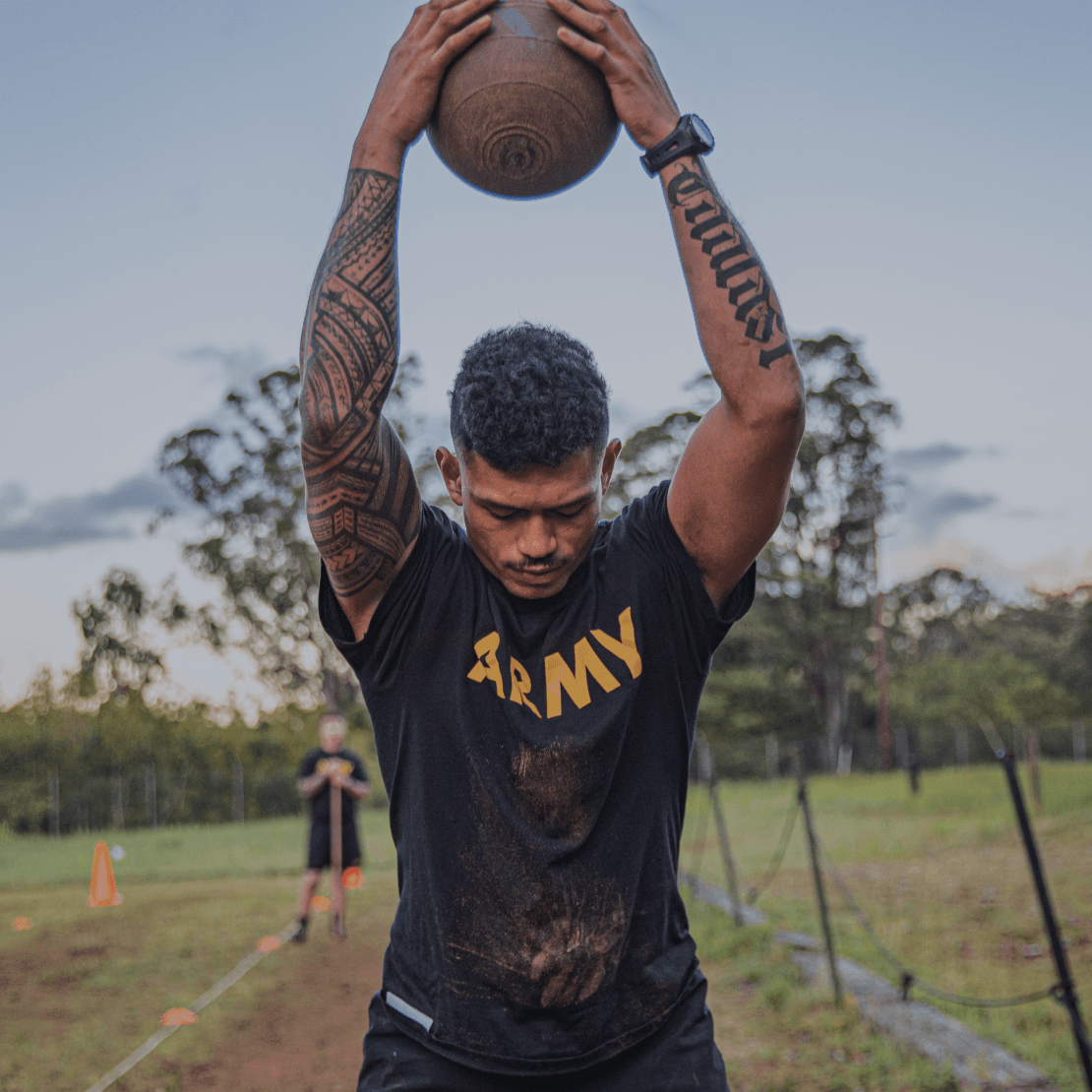
Action: Soldiers perform a backward and overhead throw of the medicine ball, measuring the distance achieved for scoring.
Equipment: A 10-pound medicine ball.

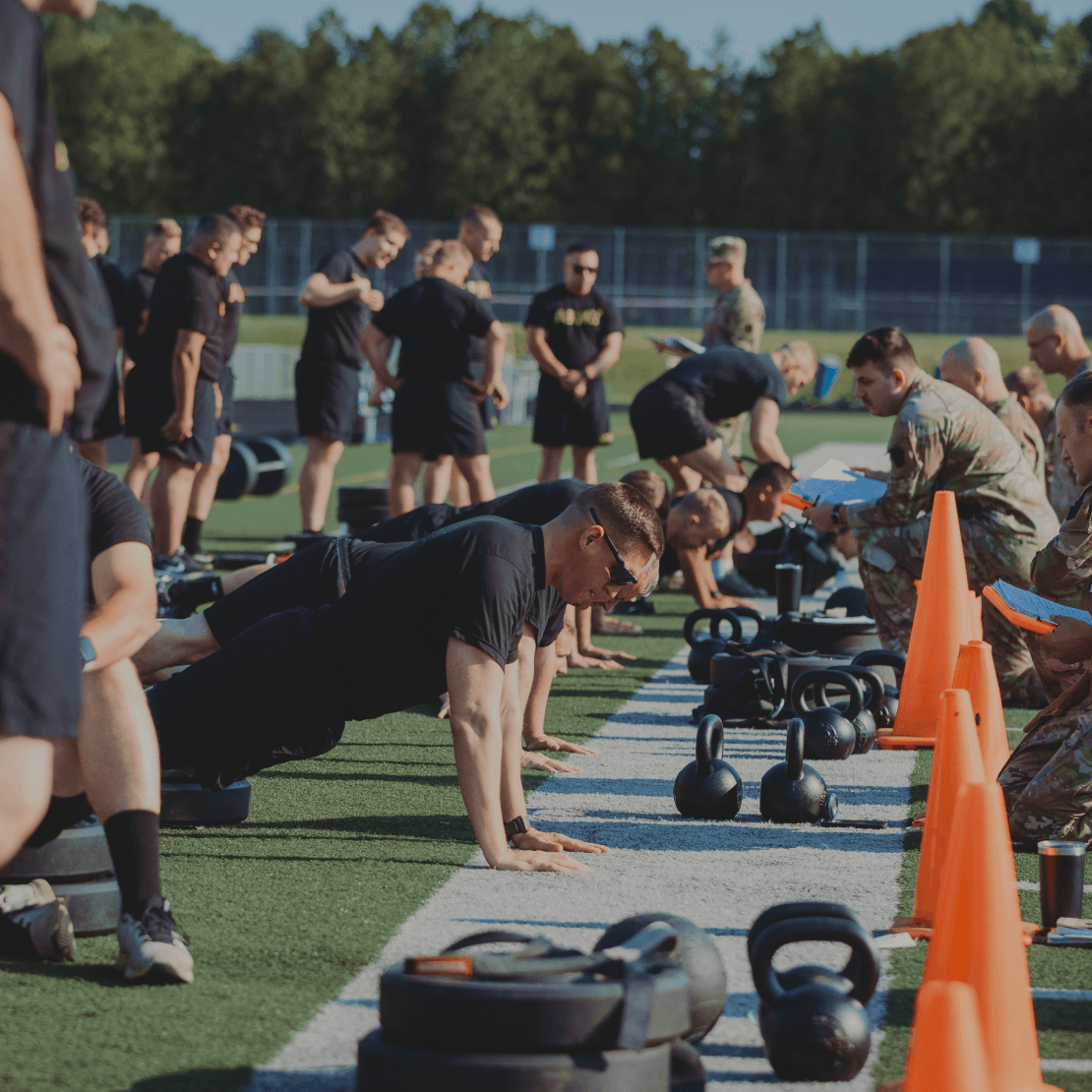
Hand-Release Push-Up (HRP)
Description: This event tests upper body endurance, essential for building robust upper body and core strength. It's an excellent indicator of a soldier's muscular endurance and flexibility.
Action: Soldiers are tasked with completing as many hand-release push-ups as possible within a two-minute timeframe, demonstrating endurance and strength.
Equipment: No equipment needed.

Sprint / Drag / Carry (SDC)
Description: The SDC is a composite event that assesses muscular endurance, strength, anaerobic power, and endurance. It also tests a soldier's balance, coordination, agility, flexibility, and reaction time.
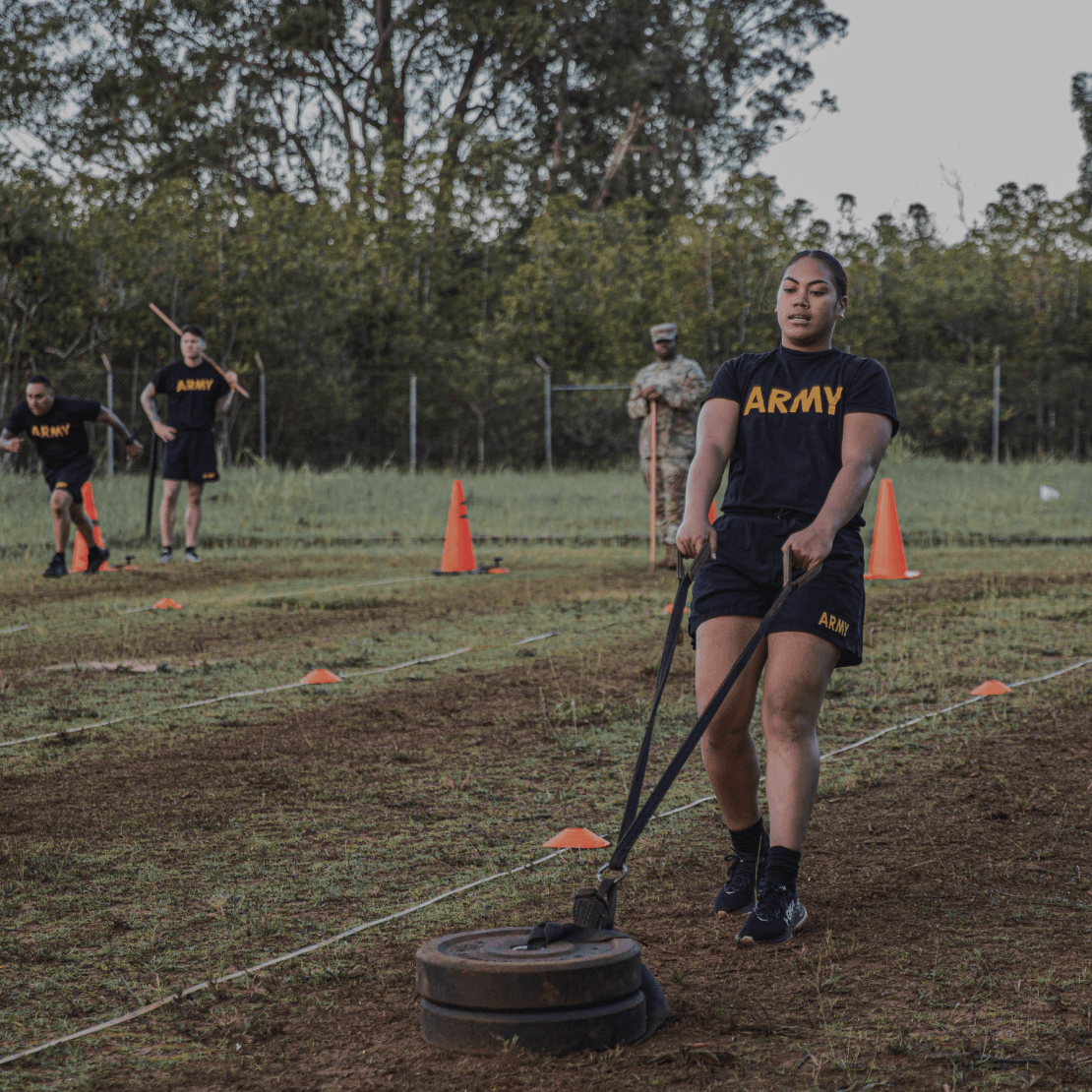
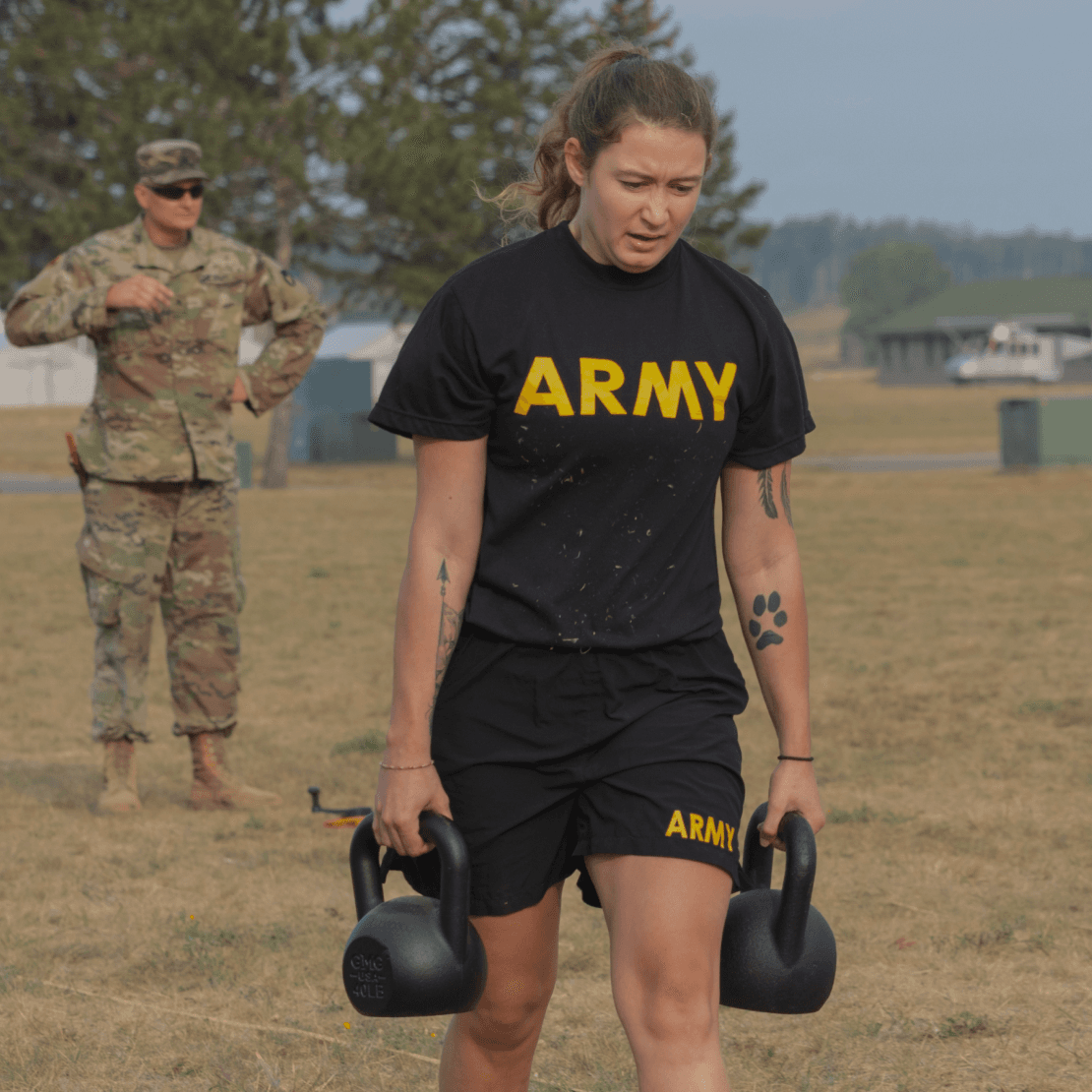
Action: The event comprises 5 x 50-meter (164 ft) shuttles, each involving different activities like sprinting, dragging, lateral movement, carrying, and sprinting again.
Equipment: Includes a 90-pound sled for dragging and two 40-pound kettlebells for carrying.

Plank (PLK)
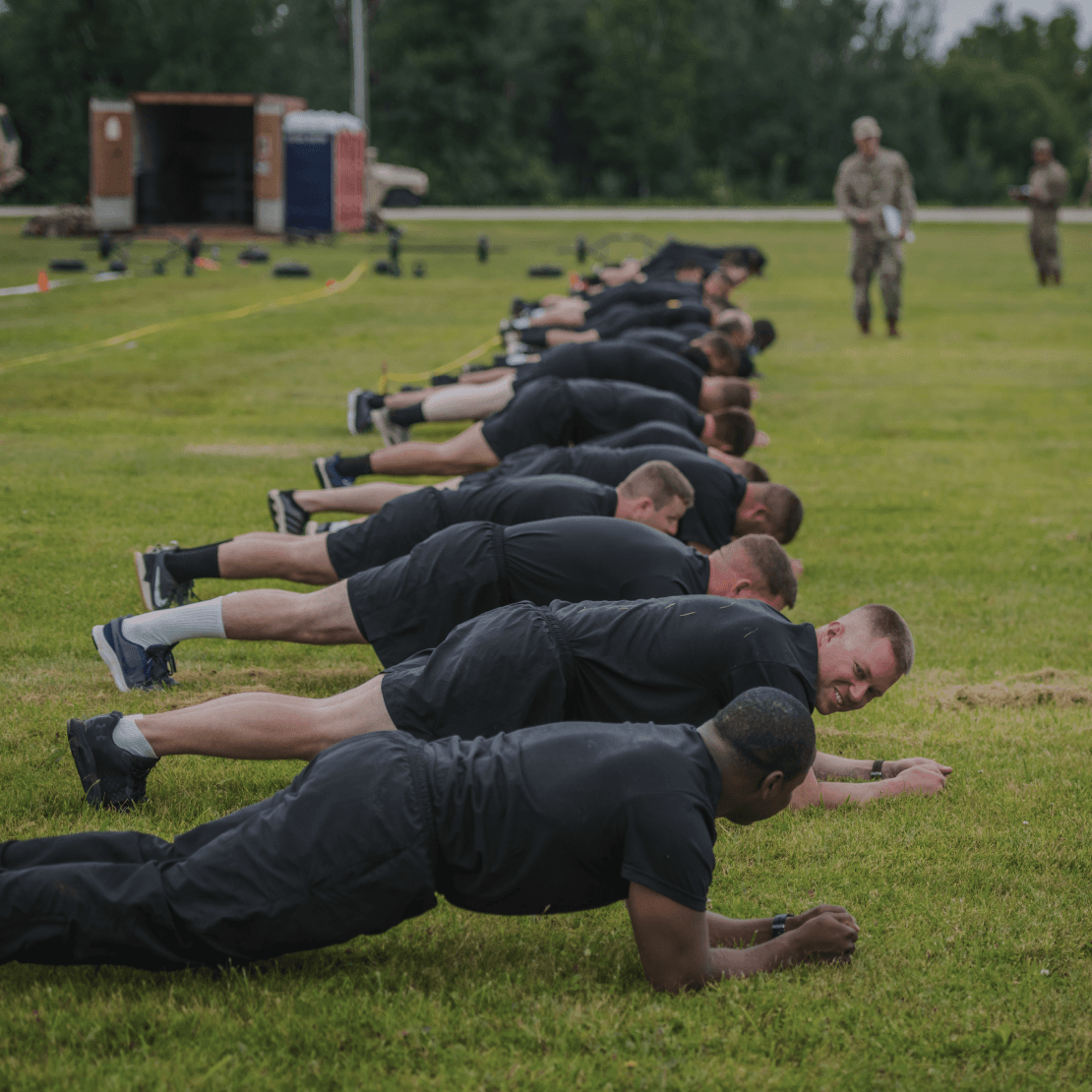
Description: The Plank event is a straightforward yet challenging test of core strength and endurance. It also assesses balance, making it a fundamental component of a soldier's fitness regime.
Action: Soldiers are required to maintain a proper plank position for as long as possible, showcasing core strength and endurance.
Equipment: No equipment needed.

Two-Mile Run (2MR)
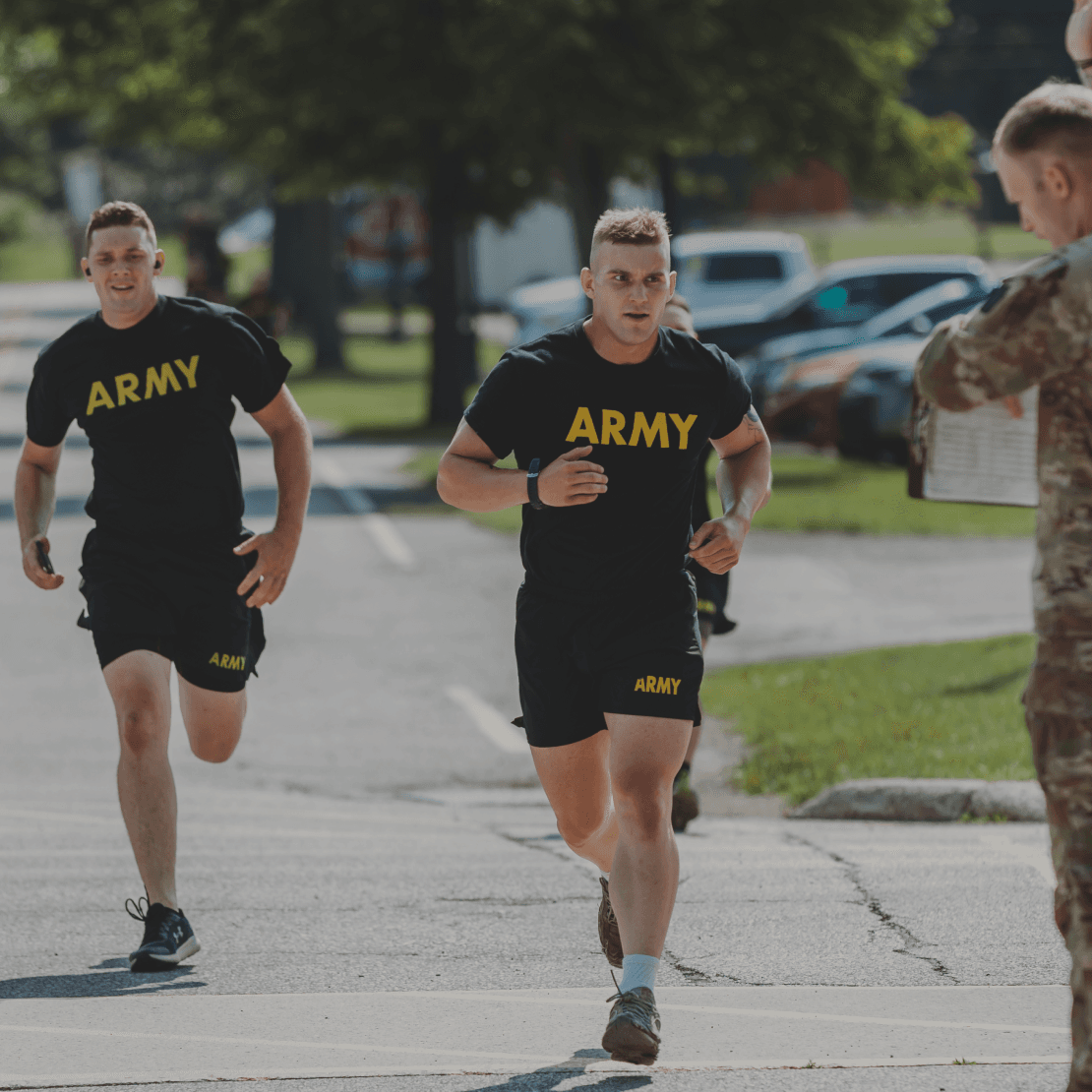
Description: The Two-Mile Run is the ultimate test of aerobic endurance. This event gauges a soldier's ability to sustain long periods of physical activity and recover quickly during repetitive tasks.
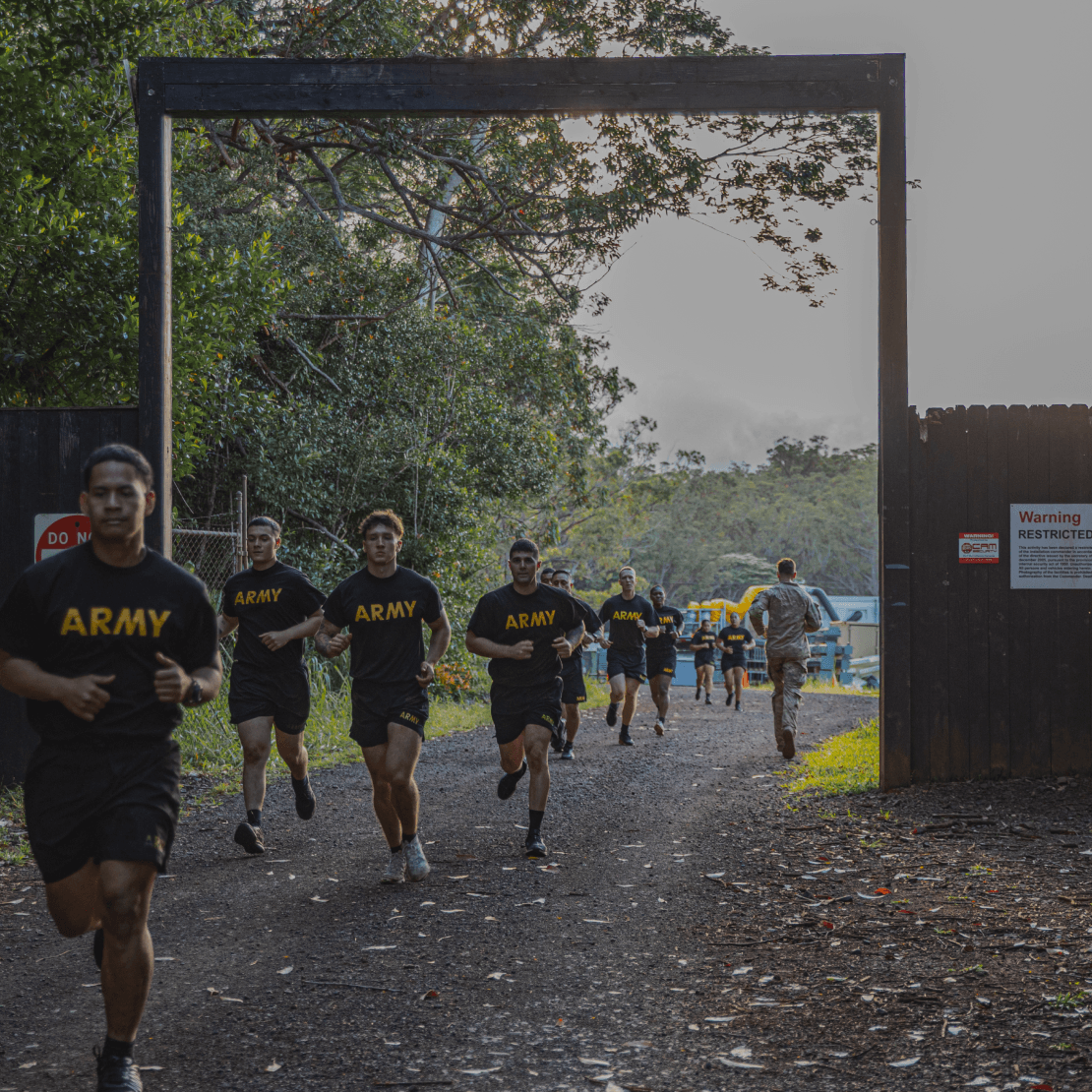
Action: Soldiers run two miles, with the time taken being the key metric for assessment.
Equipment: No specific equipment needed, performed on a measured, generally flat outdoor course.
Frequently asked questions